

Imagine you’re driving down the road on a bright sunny day, feeling the wind in your hair and the warmth on your skin. Now, imagine the comforting barrier between you and the outside world: your car window glass.
Have you ever wondered what makes this glass so unique? Why doesn’t it shatter easily, providing you with safety and peace of mind? Understanding the materials and technology behind car window glass can deepen your appreciation for its role in your everyday driving experience.
You’ll discover the fascinating composition of car window glass and how it keeps you safe while enhancing your car’s aesthetics. Dive in to uncover the secrets behind the glass that shields you from the elements and ensures your safety on the road.

Credit: setoglass.en.made-in-china.com
What is Car Window Glass Made Of?
Car window glass is typically made of either laminated glass or tempered glass. Laminated glass, used for windshields, has two glass layers with a plastic layer between for safety. Tempered glass, used for side and rear windows, is heat-treated to increase strength and shatters into small, less dangerous pieces.
Types Of Car Window Glass
Car window glass isn’t just about transparency. It involves safety and durability. Understanding its types helps in making informed choices. Different types serve various purposes, providing safety and comfort.
Tempered Glass
Tempered glass is common in side and rear windows. It undergoes a heating and cooling process. This strengthens the glass significantly. If broken, it shatters into small pieces. This reduces injury risks during accidents.
Laminated Glass
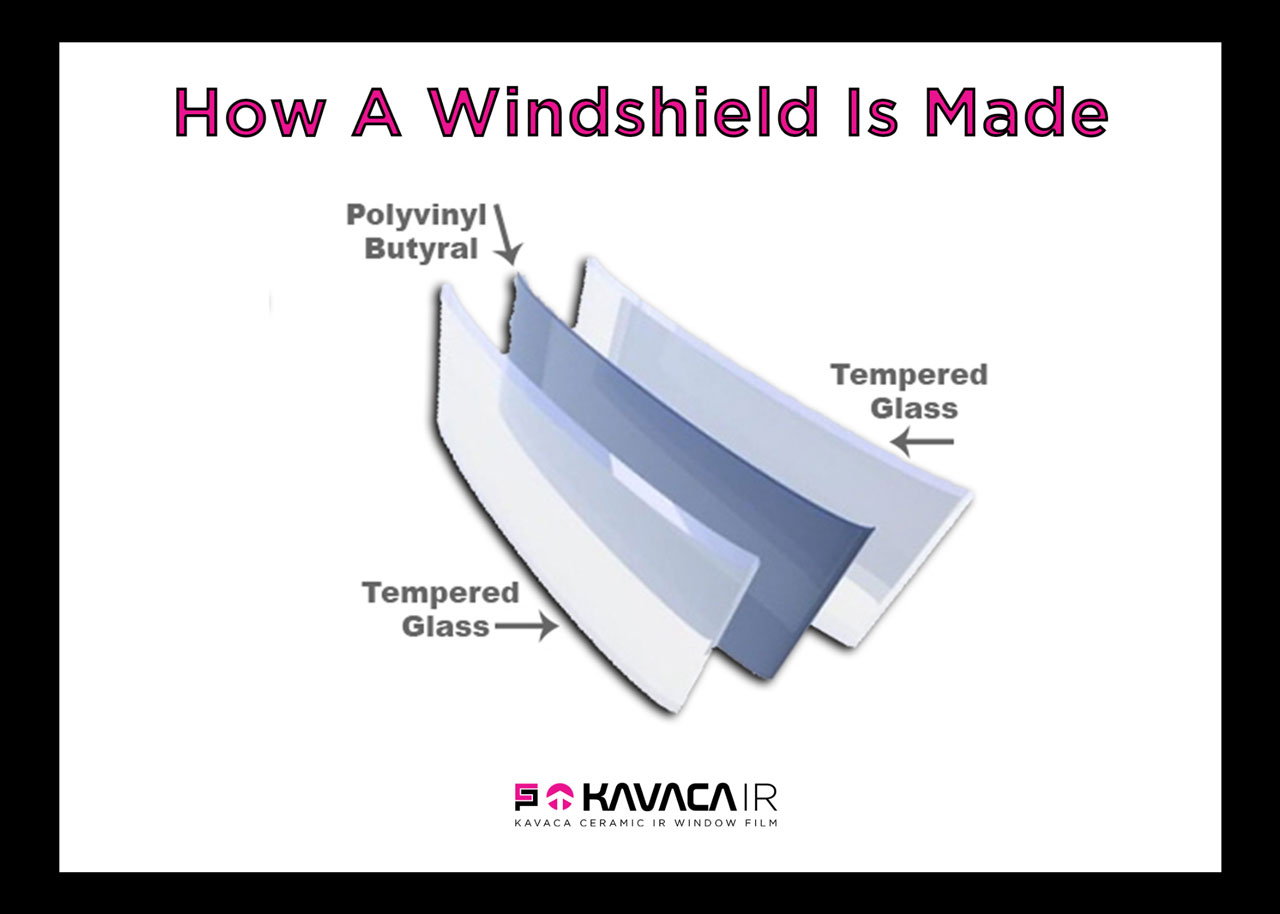
Laminated glass is typically used for windshields. It consists of two glass layers with a plastic layer in between. This design holds the glass together when cracked. It prevents sharp fragments from causing harm. Laminated glass also offers better sound insulation.
Privacy Glass
Privacy glass is darker than regular glass. It adds a level of privacy to vehicles. Many luxury cars feature this type of glass. It also helps reduce glare from sunlight. Privacy glass does not replace window tinting.
Acoustic Glass
Acoustic glass focuses on reducing noise. It contains an extra soundproof layer. This layer blocks out external noise effectively. Acoustic glass is ideal for a quiet driving experience. It is often used in premium vehicles.
Credit: www.elocal.com
Manufacturing Processes
Car window glass is mainly composed of silica, derived from sand. This silica is mixed with other materials to improve strength and clarity. The combination ensures durability and safety for vehicle occupants.
Car window glass is an integral part of your vehicle, offering safety and clarity. Have you ever wondered how this essential component is crafted? The manufacturing process is a fascinating journey that transforms raw materials into the sturdy glass that shields you from the elements while on the road. Understanding these processes can enhance your appreciation for the complexity and precision involved in making car window glass.
Tempering Process
The tempering process is crucial in making car window glass robust and safe. The glass undergoes rapid heating and cooling, which increases its strength. This process ensures that if the glass breaks, it shatters into small, harmless pieces rather than dangerous shards.
Laminated Glass Manufacturing
Laminated glass is another staple in car windows, particularly windshields. It consists of two layers of glass with a plastic layer in between. This design holds the glass together in the event of an impact. The manufacturing involves pressing and heating the layers to fuse them securely.
Annealing Procedure
Annealing is about reducing stress within the glass. After forming, the glass is slowly cooled to relieve internal tensions. This step prevents the glass from cracking under pressure. It’s a delicate balance between cooling and maintaining the integrity of the glass.
Cutting And Shaping
Cutting and shaping are tailored to fit the specific design of your car. Precision cutting tools ensure each piece fits perfectly within the vehicle’s frame. The process requires accuracy to maintain the aesthetics and functionality of your car windows.
Quality Control
Quality control is the final checkpoint before the glass heads to your vehicle. Each piece is inspected for flaws and durability. This step guarantees that the glass meets safety standards and can withstand various conditions. Have you ever thought about the complexity behind car window glass manufacturing? Next time you’re driving, take a moment to appreciate the precision and care involved in crafting the glass that keeps you safe. Would knowing more about these processes influence your choice the next time you need a car window replacement?
Materials Used In Car Glass
Car window glass is mainly made of laminated or tempered glass. Laminated glass consists of two glass layers with a plastic layer in between, offering strength and safety. Tempered glass, used in side windows, is treated to break into small, safe pieces upon impact.
Car windows are more than just transparent barriers; they play a crucial role in your vehicle’s safety and functionality. Understanding the materials used in car glass can help you appreciate the engineering that goes into making your ride safer and more comfortable. From the moment you slide into the driver’s seat, those glass panes protect you from the elements and ensure your visibility on the road. But what goes into making these essential components?
Safety Glass: The Backbone Of Car Windows
Car windows are primarily made of safety glass, which is designed to minimize injury during accidents. This glass comes in two main types: tempered glass and laminated glass. Tempered glass is used for side and rear windows. It is heated and then cooled rapidly to enhance its strength. When broken, it shatters into small pieces rather than sharp shards, reducing the risk of injury. Laminated glass is typically used for windshields. It’s crafted by bonding two layers of glass with a plastic layer in between. This design prevents the glass from shattering easily, keeping you safe during impacts.
The Role Of Polyvinyl Butyral (pvb) In Windshields
PVB is the plastic layer used in laminated glass. It’s not just a simple adhesive; it provides flexibility and strength. This material keeps the glass from flying apart when it’s hit. Ever had a pebble strike your windshield? You might have noticed a small dent but not a full crack. PVB helps absorb the impact, ensuring the glass remains intact.
Advanced Technologies In Modern Car Glass
Today, car glass isn’t just about safety; it includes advanced features. Some vehicles have acoustic glass, which reduces noise from outside. Others have UV-filtering glass, providing protection from harmful rays. Have you ever felt the sun’s heat through the glass? UV-filtering glass minimizes this, keeping your car cooler.
Customization And Aesthetic Appeal
Modern cars often feature tinted glass for privacy and style. Tinted windows can enhance your vehicle’s look while providing a cooler interior. Think about how you feel in your car on a sunny day. Tinted glass can make your drive more comfortable, shielding you from the sun’s glare. Car manufacturers are increasingly focusing on eco-friendly glass production. You might wonder how car glass affects the environment. Many companies are now using recycled materials to craft these components, reducing waste and energy consumption. This shift towards sustainability can help lessen the environmental footprint of car production. The next time you hop into your car, take a moment to appreciate the technology and thought behind those windows. How would your driving experience change without these innovations? Understanding the materials in car glass not only enhances your knowledge but also enriches your journey on the road.
Safety Features In Modern Glass
Modern car window glass is more than just a shield against the elements. It’s a critical safety component designed to protect you and your passengers. From reducing injuries during accidents to preventing theft, the advancements in glass technology are impressive and worth understanding.
What Makes Modern Car Glass Safe?
Today’s car windows are often made from laminated or tempered glass. Laminated glass consists of two layers of glass with a layer of plastic in between. This design ensures that if the glass breaks, the shards stick to the plastic layer, reducing the risk of injury from flying glass.
On the other hand, tempered glass is designed to shatter into small, blunt pieces. This reduces the chance of cuts or punctures. It’s commonly used in side and rear windows, and its production involves rapid heating and cooling, making it incredibly strong.
Why Laminated Glass In Windshields?
Have you ever wondered why your windshield doesn’t shatter like side windows? That’s because windshields are usually made of laminated glass. This not only enhances safety during impacts but also adds structural integrity to the vehicle.
Laminated glass also helps in soundproofing, making your drive quieter. Imagine driving through a bustling city and still enjoying your favorite podcast without distractions.
Additional Safety Features In Glass
Many modern car windows come with UV protection, safeguarding you and your interior from harmful sun rays. This feature helps maintain your car’s interior, preventing fading and damage over time.
Some vehicles also offer heated glass, a boon during frosty mornings. This feature ensures your windows are clear and your visibility is optimal, preventing accidents caused by foggy glass.
How Does Glass Protect You During Accidents?
In a collision, the right type of glass can significantly reduce injuries. For instance, the windshield can prevent you from being ejected from the vehicle. It also acts as a barrier against debris.
Side windows made of tempered glass can be easily broken in emergencies, allowing for quick exits. This feature is crucial if you ever find yourself trapped after an accident.
Why Should You Care About Glass Quality?
The quality of your car’s glass impacts both safety and comfort. High-quality glass ensures better insulation, keeping your car cooler in summer and warmer in winter. This can enhance your driving experience significantly.
Consider the last time you took a long road trip. Did the sun make the interior uncomfortably warm? Quality glass can mitigate these issues, making your journey more pleasant.
Next time you hop into your car, take a moment to appreciate the glass around you. It’s not just a window to the outside world but a vital safety feature designed with your protection in mind. How often do you think about the unseen heroes in your car? It’s time to give your glass its due credit.
Environmental Impact And Sustainability
Car window glass production affects the environment. Understanding its sustainability is crucial. Glass is made from silica, soda ash, and limestone. These raw materials require energy-intensive processes. Manufacturing contributes to carbon emissions. Yet, innovations aim to reduce this impact.
Recycling glass is a key solution. It reduces raw material demand. It also cuts down on energy use. Recycling helps in lowering greenhouse gases. Sustainable practices in production are gaining momentum. They offer hope for a greener future.
Environmental Benefits Of Recycled Glass
Recycled glass uses less energy. This process emits fewer pollutants. It saves natural resources significantly. Recycled glass maintains the same quality. It offers durability and safety for car windows.
Challenges In Glass Recycling
Recycling glass faces challenges. Contamination is a major issue. Mixed materials complicate recycling processes. Sorting and cleaning add costs. Despite these, recycling remains vital for sustainability.
Innovations In Eco-friendly Glass Production
New technologies improve glass production. They aim to lower emissions. Some use alternative energy sources. Others focus on reducing waste. These innovations promise a positive impact.
The Future Of Sustainable Car Glass
Sustainability in car glass is evolving. Manufacturers explore biodegradable materials. They invest in research for better solutions. The future holds potential for eco-friendly glass. It could transform the auto industry positively.
Credit: ceramicpro.com
Frequently Asked Questions
What Kind Of Glass Is Used For Car Windows?
Car windows use tempered or laminated glass. Tempered glass shatters into small, blunt pieces for safety. Laminated glass consists of two glass layers with a plastic layer in between, preventing shattering. Both types ensure durability and safety in vehicles.
Are Car Windows Glass Or Plastic?
Car windows are typically made of glass, specifically tempered or laminated glass for safety. Some vehicles use plastic, like polycarbonate, in certain parts for weight reduction. Glass remains the standard material for most car windows due to its durability and clarity.
What Is Automotive Glass Made Of?
Automotive glass is primarily made of laminated or tempered glass. Laminated glass has layers of plastic between glass sheets for safety. Tempered glass is heat-treated to increase strength and shatter resistance. These materials ensure durability, safety, and visibility in vehicles.
Conclusion
Car window glass offers more than just a clear view. It’s crafted from tempered or laminated glass, ensuring safety and durability. Tempered glass shatters into harmless pieces, reducing injury risks. Laminated glass consists of two layers, holding together when broken.
This prevents shards from flying. These materials protect passengers and enhance vehicle security. Understanding the composition helps appreciate the technology and safety behind car windows. Next time you drive, think about the safety features around you. Appreciate the science that keeps you secure on the road.
It’s more than glass—it’s peace of mind.
Related Article
- What is Solar Tinted Glass on Cars? Enhance Comfort
- How to Remove Car Front Glass Scratch? Expert Tips
- Car Alarm With Glass Break Sensor: Ultimate Protection
- Car Air Freshener Glass Tube: Transform Your Drive

My name is Max langon and I am the founder of automothrone.com website. From this website, you will get automotive related information