
Getting the right tyre pressure for your mountain bike can completely change the way you ride. Too high, and your ride feels harsh and unstable.
Too low, and you risk flats or slow, heavy pedaling. You want a smooth, controlled ride that keeps you safe and lets you enjoy every trail. You’ll discover exactly how to find the perfect tyre pressure for your mountain bike.
By the end, you’ll know how to adjust your tyres for different terrains and conditions, making every ride better than the last. Ready to boost your performance and confidence on the trail? Let’s dive in.
Tyre Pressure for Mountain Bikes
Credit: www.bikeradar.com
Choosing The Right Pressure
Choosing the right tyre pressure for mountain bikes affects your ride a lot. The correct pressure helps you control the bike better and keeps you safe on rough trails. It also prevents damage to the tyres and rims. Finding the right balance depends on many things.
Factors Influencing Tyre Pressure
Tyre size plays a big role in pressure choice. Wider tyres need less pressure than narrow ones. Your body weight also matters. Heavier riders need higher pressure to avoid tyre squashing.
Trail type is important too. Hard, rocky paths need higher pressure for protection. Soft, muddy trails work better with lower pressure for grip. Weather conditions can change the pressure you need. Hot days may require slightly lower pressure as air expands.
Recommended Pressure Ranges
Most mountain bike tyres suggest a pressure between 25 and 40 psi. Lightweight riders can start near 25 psi for better comfort. Heavier riders might need around 35 to 40 psi for better support.
Lower pressures improve traction on loose dirt but increase the risk of pinch flats. Higher pressures reduce flats but can make the ride harsh. Adjust pressure in small steps to find your best feel.
Impact On Ride Quality
Tyre pressure plays a big role in how your mountain bike feels and performs. It affects ride quality in many ways. Choosing the right pressure can make your ride smooth and safe. Setting it too high or too low can cause problems on rough trails.
Comfort And Control
Lower tyre pressure helps absorb bumps and rocks. It gives a softer ride, reducing fatigue on long trails. You feel the trail better and can react faster. High pressure makes the ride stiff and harsh. It sends more shock to your hands and body. Control can be harder because tyres bounce off obstacles.
Traction And Grip
Soft tyres grip the ground better. They squeeze into rough surfaces and hold tight. This improves climbing and cornering. Hard tyres have less grip and can slip more. They roll faster on smooth paths but struggle on loose dirt. Finding the right pressure balances speed and traction.
Adjusting Pressure For Terrain
Adjusting tyre pressure is key for mountain biking on different terrains. The right pressure helps with grip, control, and comfort. It also protects your tyres from damage and improves your ride quality.
Different surfaces need different tyre pressures. Lower pressure gives more grip but can risk pinch flats. Higher pressure rolls faster but might reduce traction. Finding the right balance for each terrain makes your ride safer and more fun.
Pressure For Rocky Trails
Rocky trails need lower pressure for better grip on sharp rocks. Around 20 to 25 PSI works well. This allows the tyre to wrap around rocks and absorb shocks. Too high pressure can cause tyres to bounce and slip. Watch for pinch flats and adjust accordingly.
Pressure For Muddy Paths
Muddy paths need even lower pressure, about 18 to 22 PSI. Soft tyres dig into mud for better traction. Too high pressure makes tyres slide and lose control. Careful not to go too low to avoid rim damage. Muddy rides demand more grip and flexibility.
Pressure For Smooth Tracks
Smooth tracks allow higher pressure, usually 28 to 35 PSI. Higher pressure reduces rolling resistance and helps you go faster. Tyres stay firm and maintain shape on flat surfaces. Avoid going too high to keep enough grip. Smooth trails favor speed and efficiency.

Credit: www.youtube.com
Tools For Measuring Pressure
Measuring tyre pressure is key for mountain bike performance and safety. Proper tools help keep your ride smooth and controlled. Choose the right tool to check pressure accurately. This keeps your tyres from being too soft or too hard.
Types Of Pressure Gauges
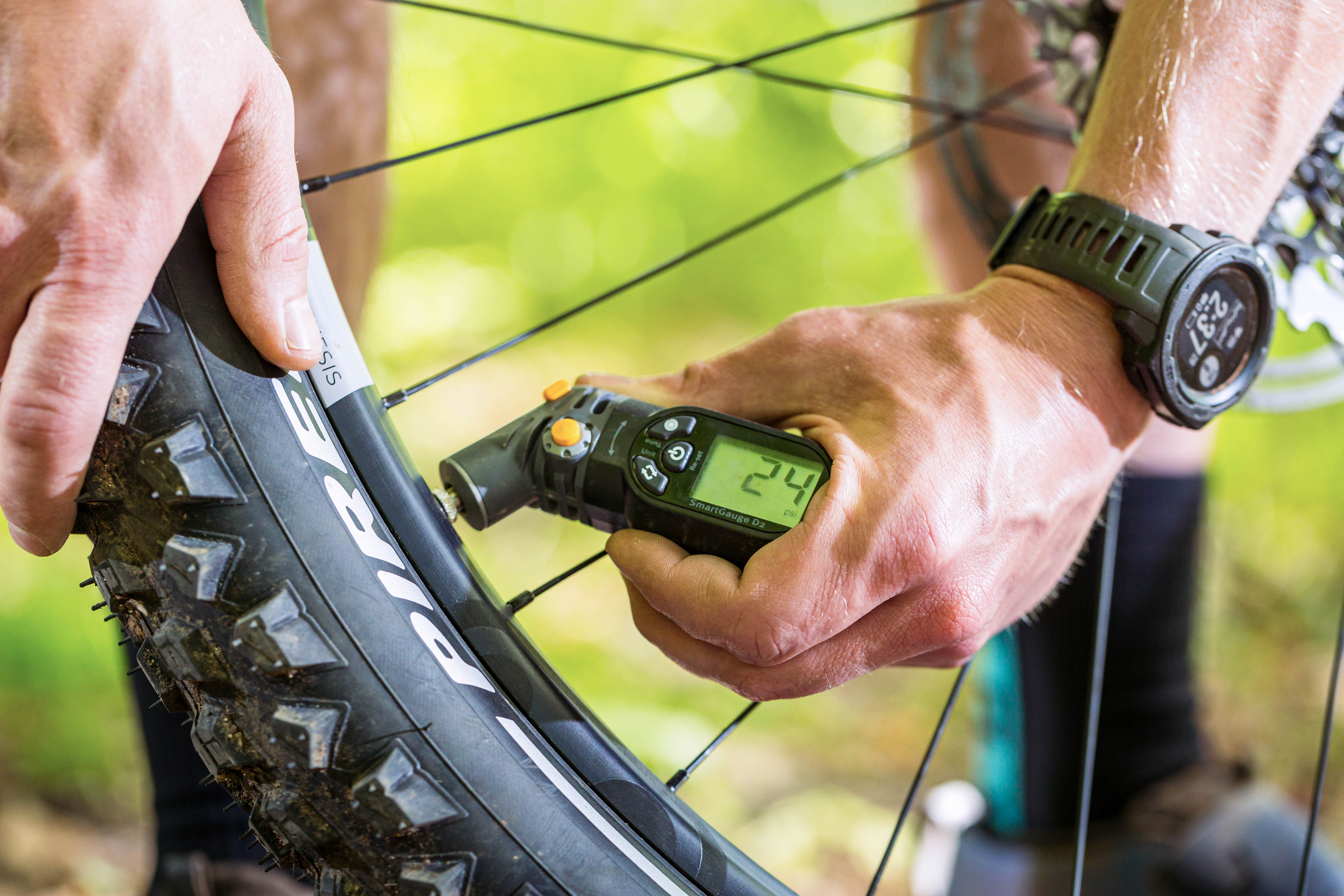
Pressure gauges come in different styles. The most common are analog and digital gauges. Analog gauges use a dial to show pressure. They are simple and do not need batteries. Digital gauges show the pressure on a screen. They give very precise readings. Some digital models also have backlights for low light use.
Stick gauges are small and easy to carry. They work well for quick checks. Dial gauges are larger but easier to read. Both types are good for mountain bike tyres. Choose one that fits your needs and budget.
Using A Pump With Gauge
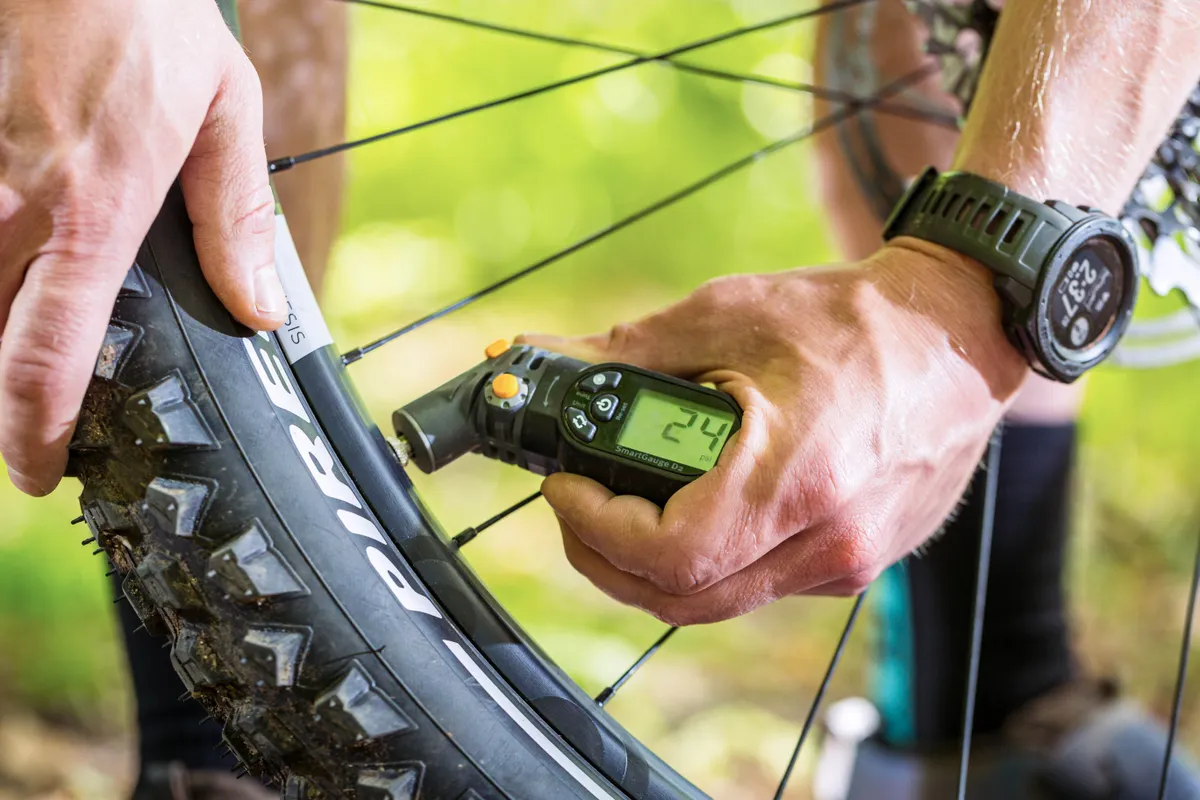
Many mountain bike pumps have built-in pressure gauges. This lets you pump and measure pressure at the same time. It saves time and effort during rides. Check the gauge often while pumping. Stop when you reach the recommended tyre pressure.
Using a pump with a gauge helps avoid over or under-inflation. It is convenient for all riders. Carry one on your rides for quick pressure checks. This tool keeps your tyres ready for rough trails.
Maintaining Optimal Pressure
Maintaining the right tyre pressure keeps your mountain bike safe and smooth. Proper pressure improves control and ride comfort. It also helps your tyres last longer and reduces the chance of flats. Checking and adjusting pressure often is key for a good ride.
Regular Pressure Checks
Check your tyre pressure before every ride. Use a good pressure gauge for accuracy. Tyres lose air naturally, even if not in use. Set pressure based on your weight and trail type. Follow the tyre manufacturer’s recommended range. Consistent checks prevent unexpected flats and poor performance.
Handling Pressure Loss
Pressure can drop from small holes or temperature changes. Carry a pump or CO2 inflator on rides. Fix slow leaks quickly to avoid flats. Reinflate tyres to the right pressure after fixing. If the pressure drops often, inspect tyres and tubes for damage. Proper care keeps your bike ready for the next trail.
Credit: www.bikeradar.com
Frequently Asked Questions
What Is The Ideal Tyre Pressure For Mountain Bikes?
Ideal pressure ranges from 30 to 40 PSI, depending on rider weight and terrain.
How Does Tyre Pressure Affect Mountain Bike Performance?
Lower pressure improves grip and comfort; higher pressure reduces rolling resistance.
How Often Should I Check My Mountain Bike Tyre Pressure?
Check before every ride to keep tyres safe and riding smooth.
Conclusion
Proper tyre pressure keeps your mountain bike safe and smooth. It helps you ride better on rough trails and saves your tyres from damage. Check your pressure often, especially before long rides. Adjust it based on the terrain and your weight.
Small changes can make a big difference in control and comfort. Remember, the right pressure means more fun and fewer problems. Keep your bike ready and enjoy every ride.
- 5 Best Tire Pressure for Mountain Biking: Ultimate Guide for Optimal Performance
- Best Tire Saver Ramps for Ultimate Vehicle Protection and Easy Maintenance
- Best Tire Pressure for Drifting: Ultimate Guide to Perfect Drift Control

My name is Max langon and I am the founder of automothrone.com website. From this website, you will get automotive related information