
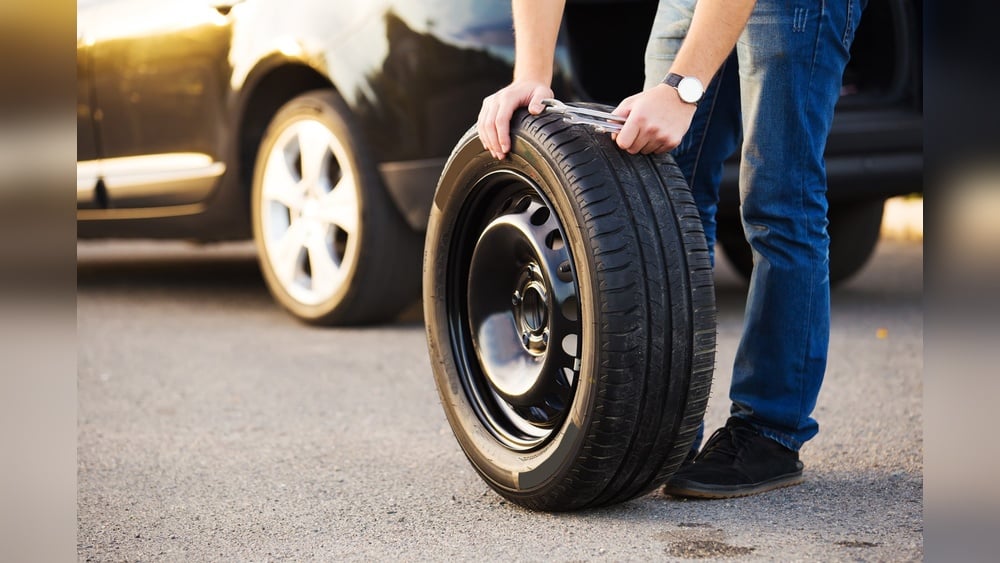
Imagine you’re driving and suddenly feel your car pulling to one side. You glance down and realize you have a flat tire.
What do you do next? How long can you safely keep driving before it becomes dangerous or causes serious damage? Knowing the answer could save you from costly repairs and keep you safe on the road. You’ll discover exactly how far you can drive with a flat tire, what risks you face, and the best steps to take when it happens to you.
Keep reading to make sure you’re prepared for this common but tricky situation.
Risks Of Driving On A Flat Tire
Driving on a flat tire can lead to serious problems. The risks are not just about tire damage. It also affects your safety and your car’s condition. Understanding these risks helps you make smart decisions on the road.
Damage To The Tire And Wheel
A flat tire leaves the wheel exposed to the road. The metal rim can scrape against the ground. This can cause permanent damage to the wheel. The tire itself may tear or become unusable. Repairs may cost more than a new tire.
Loss Of Vehicle Control
A flat tire changes how your car handles. Steering becomes harder and less precise. The vehicle may pull to one side. Braking distances increase, making stops slower. This loss of control can cause accidents.
Risk Of Further Mechanical Damage
Driving on a flat can harm suspension parts. The uneven pressure stresses the axle and brakes. This can lead to costly repairs. The car’s alignment may also be affected. Problems may not show immediately but grow worse.
Increased Fuel Consumption
A flat tire increases rolling resistance. The engine works harder to keep moving. This leads to more fuel use. Driving longer on a flat wastes gas and money. It also increases harmful emissions.
Danger To Yourself And Others
A sudden blowout can cause a crash. Losing control endangers the driver and passengers. Other road users may also be at risk. Stopping safely becomes difficult with a flat tire. Quick action is essential for everyone’s safety.

Credit: www.canadasafetytraining.com
Signs You Should Stop Immediately
Driving on a flat tire can be dangerous. Knowing when to stop is very important. Some signs tell you to stop immediately. Ignoring these signs can cause more damage and risk your safety.
Unusual Vibrations Or Shaking
If the car shakes or vibrates a lot, stop right away. This means the tire is not stable. Driving further can harm the wheel or suspension.
Hissing Or Loud Noise
A hissing sound means air is escaping fast. Loud noises may come from the damaged tire. These sounds show the tire is getting worse quickly.
Car Pulls To One Side
The car might pull to one side while driving. This happens when a tire is flat or losing air. It makes steering hard and unsafe.
Visible Damage Or Flattened Tire
Look at the tire if you can. If it looks very flat or damaged, stop immediately. Driving on a damaged tire can cause an accident.
Warning Lights On Dashboard
Many cars have a tire pressure warning light. If this light comes on, stop as soon as possible. It signals a serious tire issue.
How Far Can You Drive Safely?
Driving on a flat tire is risky. The distance you can drive safely depends on many factors. These include the tire type, speed, and road conditions. Understanding these helps you avoid damage and stay safe.
Driving Distance On A Flat Tire
Most tires cannot support a car safely when flat. Driving more than a mile or two can cause serious damage. The tire sidewall may collapse, ruining the tire permanently. It also harms the wheel and suspension parts.
Speed Limits While Driving With A Flat
Driving slowly helps reduce damage. Keep your speed below 20 mph if you must move. Higher speeds increase the risk of losing control. Slow driving also lowers heat build-up on the tire.
Run-flat Tires And Their Limits
Run-flat tires allow limited driving after a puncture. Usually, you can drive about 50 miles at 50 mph. These tires give time to reach a repair shop safely. Still, do not ignore signs of tire failure.
Listen for thumping sounds or feel vibration. The car may pull to one side or shake. Smoke or burning smell means serious trouble. Stop driving as soon as you notice these signs.
Steps To Take When You Have A Flat Tire
Having a flat tire can be stressful. Knowing the right steps helps you stay safe and fix the issue quickly. Follow these simple actions to handle a flat tire with confidence.
Pull Over Safely
Slow down and find a safe spot to stop. Avoid sharp curves and narrow roads. Turn on your hazard lights to alert other drivers.
Check The Tire
Look at the flat tire carefully. Check for nails, screws, or other objects. See how much air is lost and if the tire is damaged beyond repair.
Use A Spare Or Repair Kit
Use your car’s spare tire if available. Follow the instructions in your car manual. If you have a tire repair kit, try to seal small holes temporarily.
Call For Help If Needed
Ask for roadside assistance if you cannot change the tire. A professional can fix or replace the tire safely. Do not try to drive far with a flat tire.
Preventing Flat Tires On The Road
Flat tires cause trouble and delay on the road. Preventing them keeps your trips safe and smooth. Small steps can reduce flat tire risks. Regular checks and smart habits help a lot.
Check Tire Pressure Regularly
Underinflated tires wear out faster and risk flats. Use a tire gauge to check pressure monthly. Keep tires at the pressure shown in your car manual. Proper pressure improves tire life and fuel efficiency.
Inspect Tires For Damage
Look for cuts, cracks, or bulges on tires. Remove stones or debris stuck in treads. Damaged tires can fail suddenly. Early spotting helps avoid dangerous flats.
Avoid Road Hazards
Watch out for potholes, sharp objects, and rough roads. Slow down on uneven surfaces. These hazards can cause punctures and tire damage. Safe driving protects your tires and passengers.
Rotate Tires Frequently
Rotating tires every 6,000 miles balances wear. Even wear means longer tire life and fewer flats. Follow your car’s rotation schedule. It keeps tires healthy and reliable.
Credit: www.reddit.com

Credit: harristirecompany.com
Frequently Asked Questions
How Far Can I Drive On A Flat Tire Safely?
Driving on a flat tire is risky and should be very short. Usually, you can drive about 1 to 2 miles slowly to reach help. Driving farther can damage your wheel and car.
What Happens If I Drive Too Long With A Flat Tire?
Driving too long on a flat tire can ruin the wheel rim and suspension. It also makes your car hard to control and unsafe to drive. Stop and fix the tire as soon as possible.
Can I Drive With A Flat Tire On The Highway?
Driving on a flat tire on the highway is very dangerous and not recommended. It can cause accidents or loss of control at high speeds. Find a safe spot to stop and call for help.
Conclusion
Driving on a flat tire can damage your vehicle quickly. It is best to stop as soon as you notice the flat. Driving even a short distance can harm the wheel and tire. Replace or repair the tire before driving again.
Carry a spare tire and tools for emergencies. Safety comes first on the road. Taking quick action helps avoid costly repairs later. Always check your tires regularly to prevent flats. Stay safe and keep your car in good shape.

My name is Max langon and I am the founder of automothrone.com website. From this website, you will get automotive related information