

When it comes to choosing spark plugs for your vehicle, you want the best performance and reliability. But with options like iridium and ruthenium spark plugs, it can be confusing to know which one suits your needs.
You’re probably wondering which type will give your engine a smoother start, better fuel efficiency, and longer life. This article breaks down the key differences between iridium and ruthenium spark plugs, helping you make a smart choice that keeps your engine running strong.
Keep reading to find out which spark plug is the right fit for your ride.
Material Properties
The material properties of spark plugs affect their performance and lifespan. Iridium and ruthenium are two metals used in spark plugs. Each metal has unique traits that influence how well the spark plug works.
Understanding these properties helps choose the right spark plug for your engine.
Durability And Hardness
Iridium is very hard and tough. It resists wear and damage well. Ruthenium is also hard but slightly less than iridium. Both metals last longer than traditional materials. They keep their shape and sharpness, which improves ignition over time.
Heat Resistance
Iridium handles high temperatures without melting. It stays stable in extreme engine heat. Ruthenium also resists heat but melts at a lower temperature than iridium. This makes iridium plugs better for hotter engines. Both metals reduce fouling and wear from heat stress.
Electrical Conductivity
Iridium has excellent electrical conductivity. It allows a strong and consistent spark. Ruthenium conducts electricity well but slightly less than iridium. Good conductivity means better engine start and fuel efficiency. Both metals help spark plugs perform reliably under different conditions.
Credit: ngksparkplugs.com
Performance In Engines
Performance in engines depends heavily on the type of spark plug used. Iridium and ruthenium spark plugs offer unique benefits that affect how engines run. Understanding their impact on ignition, fuel use, and power helps choose the right plug for your vehicle.
Ignition Efficiency
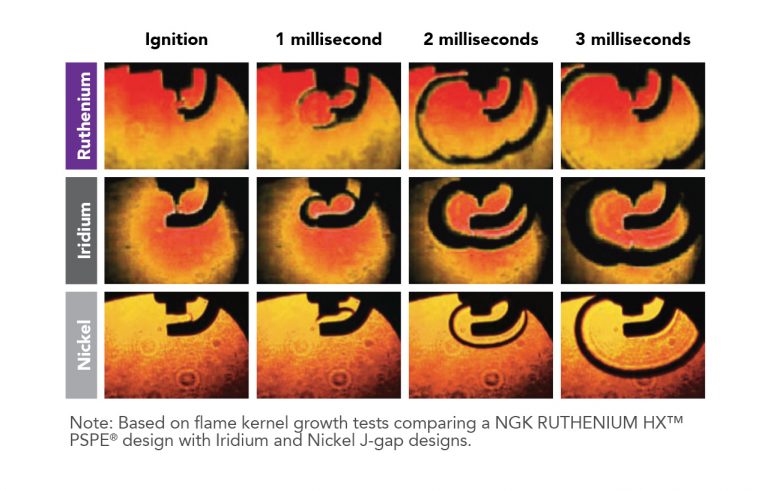
Iridium spark plugs have a fine electrode tip, which helps create a strong spark. This spark ignites the air-fuel mixture faster and more reliably. Ruthenium plugs also deliver good sparks but may not ignite as quickly as iridium. Faster ignition means smoother engine starts and less misfire.
Fuel Economy Impact
Sparks that burn fuel more completely help save gas. Iridium plugs often lead to better fuel economy because they ignite fuel efficiently. Ruthenium plugs provide decent fuel savings but might not match iridium’s efficiency. Using the right spark plug can reduce how much fuel your car uses.
Power Output
Strong and steady sparks boost engine power. Iridium plugs support high performance by ensuring consistent ignition. Ruthenium plugs maintain good power but might not deliver the same peak output. Choosing the spark plug affects how much power your engine can produce.
Longevity And Maintenance
Choosing the right spark plug affects your engine’s performance and maintenance needs. Both iridium and ruthenium spark plugs offer strong durability. Understanding their longevity helps you plan your vehicle care better. Let’s explore how they compare in wear rate, replacement frequency, and cost over time.
Wear Rate
Iridium spark plugs wear slowly due to their strong, fine tips. They resist erosion and maintain a sharp edge longer. Ruthenium spark plugs also have a slow wear rate. Their metal is tough, which helps them last under high heat. Both types resist corrosion well, but iridium often lasts slightly longer.
Replacement Frequency
Iridium spark plugs usually need replacing every 60,000 to 100,000 miles. Ruthenium plugs can last similar distances, sometimes reaching 100,000 miles or more. The exact time depends on driving conditions and engine type. Regular checks help catch wear early and keep your engine running smoothly.
Cost Over Time
Iridium plugs cost more upfront but last longer, reducing frequent replacements. Ruthenium plugs might be cheaper initially but may need changing sooner in some cases. Over time, iridium plugs often save money by lowering maintenance visits. Consider your budget and driving habits to choose wisely.
Environmental Effects
Choosing between Iridium and Ruthenium spark plugs affects the environment. Each type impacts emissions and eco-friendliness differently. Understanding these effects helps make better decisions for cleaner air and less waste.
Emissions
Iridium spark plugs burn fuel more efficiently. This leads to fewer harmful gases released into the air. Ruthenium plugs also improve combustion but may not reduce emissions as much as Iridium. Cleaner burning means less pollution and better air quality.
Eco-friendly Aspects
Both spark plugs last longer than traditional ones, reducing waste. Iridium plugs have a very durable core, requiring fewer replacements. Ruthenium plugs are also strong but often cost less. Using long-lasting plugs means fewer thrown-away parts and less mining for new materials.
Price And Availability
Price and availability are important factors when choosing between iridium and ruthenium spark plugs. Both types offer unique benefits, but their costs and how easy they are to find can affect your decision.
Market Pricing
Iridium spark plugs usually cost more than standard plugs. Their price is higher due to the metal’s durability and performance. Ruthenium plugs can also be pricey, but often they are slightly less expensive than iridium. Prices vary depending on the brand and model of the vehicle.
Accessibility
Iridium spark plugs are widely available in auto stores and online. Most car shops stock them because of their popularity. Ruthenium plugs are less common but still found in specialty stores and some online retailers. Finding the right type might take more effort with ruthenium plugs.
Brand Options
Many top brands offer iridium spark plugs, giving buyers plenty of choices. Brands focus on quality and compatibility with many car models. Ruthenium spark plugs come from fewer brands, which limits options. This affects availability and variety for consumers.
Credit: www.subaruxvforum.com

Credit: www.reddit.com
Frequently Asked Questions
What Are The Main Differences Between Iridium And Ruthenium Spark Plugs?
Iridium plugs last longer and offer better performance than Ruthenium. Ruthenium plugs provide good durability but usually cost less. Both improve engine efficiency compared to standard plugs.
Which Spark Plug Type Is Better For Fuel Efficiency?
Iridium spark plugs typically improve fuel efficiency more than Ruthenium. Their fine tips create stronger sparks, leading to better combustion. This helps save fuel and reduce emissions.
How Do Iridium And Ruthenium Plugs Affect Engine Life?
Both types help engines run cleaner and reduce wear over time. Iridium plugs usually offer longer service life due to higher durability. Ruthenium plugs still provide solid protection but may need replacement sooner.
Conclusion
Both iridium and ruthenium spark plugs offer strong performance and durability. Iridium plugs last long and spark well in many engines. Ruthenium plugs resist wear and keep your engine clean. Choosing depends on your car and driving habits. Either type improves fuel use and engine power.
Regular maintenance keeps your spark plugs working best. Think about cost, lifespan, and your vehicle’s needs. Both types help your engine run smooth and steady. Quality spark plugs matter for good car health.

My name is Max langon and I am the founder of automothrone.com website. From this website, you will get automotive related information