

Are you unsure how to measure your bike tires correctly? Knowing the right tire size is key to keeping your ride smooth and safe.
Whether you’re replacing old tires or upgrading for better performance, measuring them the right way can save you time and money. In this guide, you’ll discover simple steps to get accurate measurements, avoid common mistakes, and choose the perfect tire for your bike.
Keep reading—you’re just moments away from mastering tire measurements like a pro.
Credit: www.dentalhousecr.com
Bike Tire Basics
Measuring bike tires involves checking two key numbers: tire width and diameter. These numbers are usually printed on the tire sidewall. Accurate measurement helps find the right tire size for better riding and safety.
Understanding Bike Tire Size
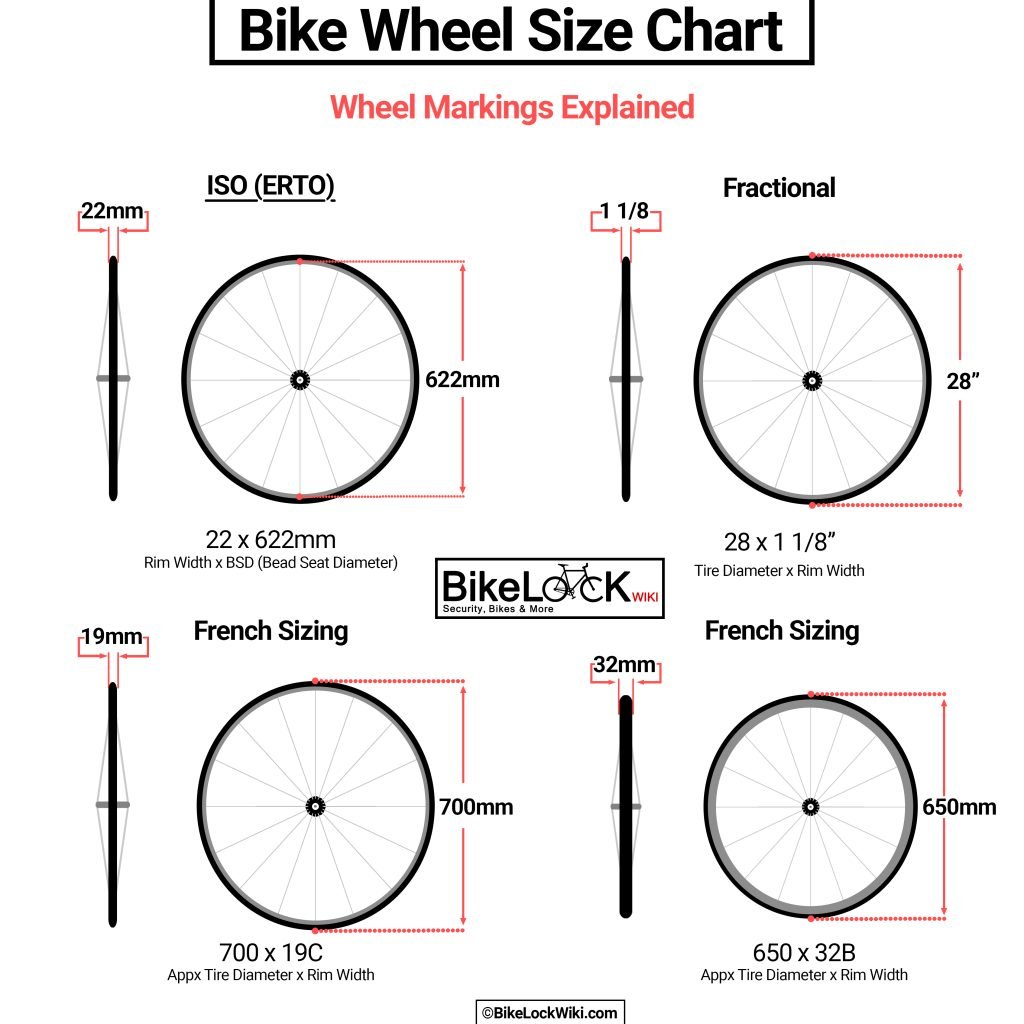
Bike tire size includes width and diameter. The size is usually printed on the tire’s sidewall. It looks like a series of numbers, such as 700x25c or 26×2.0. These numbers help you find the right tire for your bike. Knowing the size prevents buying tires that do not fit.
Types Of Bike Tires
There are many types of bike tires. Road tires are narrow and smooth for speed. Mountain bike tires are wider with deep treads for grip. Hybrid tires fall between road and mountain tires. Choose a tire type that matches your riding style.
Tire Width And Its Importance
Tire width affects comfort and control. Narrow tires roll faster but offer less grip. Wide tires provide more traction and absorb bumps. The width is measured in millimeters or inches. Pick a width suitable for your bike and terrain.
Tire Diameter Explained
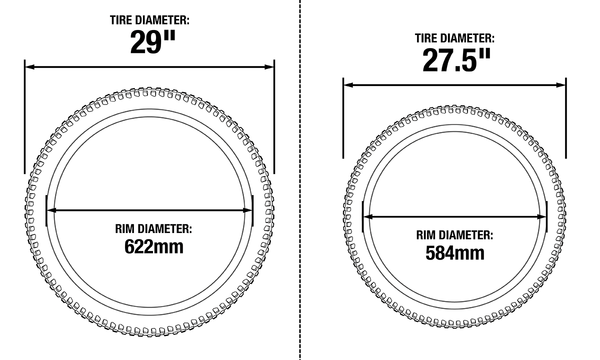
Tire diameter is the distance across the tire. It is important for fitting the tire to the wheel. Common diameters include 26, 27.5, and 29 inches for mountain bikes. Road bikes often use 700c tires. Match the diameter exactly for safety and performance.
Credit: operar.io
Tools Needed For Measurement
Measuring bike tires is simple with the right tools. Accurate measurement helps find the perfect tire size for your ride. Using basic tools ensures you get the right fit and better performance.
Measuring Tape
A measuring tape helps check the tire’s diameter and width. Choose a flexible tape for easy wrapping around the tire. It shows exact numbers in inches or millimeters.
Caliper
A caliper measures tire width precisely. It can measure small distances between the tire edges. This tool helps get exact tire thickness and width values.
Ruler
A simple ruler works for quick checks of tire size. Use it to measure the tire’s diameter or width on flat surfaces. It’s easy and handy for rough estimates.
Pen And Paper
Write down your measurements to avoid mistakes. Keeping notes helps compare different tires. You can check sizes later when buying new tires.
Measuring Tire Diameter
Measuring tire diameter is a key step in finding the right bike tire. The diameter affects how the bike rides and fits the frame. Knowing the exact size helps avoid buying the wrong tire. This section explains how to measure the tire diameter correctly.
Understanding Tire Diameter
Tire diameter is the distance across the tire from one edge to the other. It includes the tire and the wheel rim inside. The size affects speed, comfort, and control of the bike. Most bike tires have their diameter printed on the sidewall.
Using A Measuring Tape Or Ruler
Place the bike on a flat surface. Use a tape or ruler to measure across the tire’s widest point. Measure from one outer edge directly to the opposite edge. Note the number in inches or millimeters for accuracy.
Checking The Iso Or Etrto Number
Look for a number on the tire sidewall. It usually looks like “700 x 25C” or “37-622.” The second number, like 622, is the tire’s bead seat diameter in millimeters. This number helps find the exact tire size needed.

Credit: www.kokido.com
Measuring Tire Width
Measuring tire width is a key step to find the right bike tire size. It helps ensure proper fit and better performance. Knowing the width helps avoid issues with clearance and handling.
Tire width is usually the distance from one sidewall to the other. This is measured in millimeters or inches. Understanding this measurement helps you pick tires that match your bike rim and riding style.
Using A Caliper To Measure Tire Width
A caliper is a simple tool to measure tire width accurately. Place the caliper jaws on the widest part of the tire. Gently squeeze until it touches both sides. Read the measurement on the caliper scale.
This method works best when the tire is fully inflated. It gives a precise width that matches how the tire sits on the rim.
Measuring Tire Width With A Ruler Or Tape Measure
A ruler or tape measure can also work for tire width. Lay the tire flat on a surface. Measure straight across the tire’s widest part from one sidewall to the other.
This method is less exact but still useful. Make sure the tire is not squished or distorted during measuring.
Understanding Tire Width Markings
Most tires have width printed on the sidewall. It looks like a number followed by “mm” or inches, such as 32mm or 1.25”. This number shows the tire’s nominal width.
Check this marking to confirm your measurements. It helps when buying replacement tires or comparing sizes.
Choosing The Right Tire Size
Choosing the right tire size is important for bike safety and performance. The right tire fits your bike frame and wheels perfectly. It also affects how the bike rides on different surfaces. Using the wrong size can cause problems, such as poor handling or damage to your bike.
Knowing the correct tire size helps you find replacements easily. It also improves comfort and control while riding. Understanding tire sizes makes bike maintenance simpler and more effective.
Understanding Tire Size Markings
Tire sizes are written on the sidewall of the tire. The numbers show the tire’s diameter and width. For example, a tire marked 700×25 means 700mm diameter and 25mm width. Some tires use inches, such as 26×2.0. Learning these markings helps you pick the right tire.
Matching Tire Size To Wheel Size
Your bike’s wheel size limits the tire size you can use. Tires must fit the rim exactly. A tire too big or small can be unsafe or cause damage. Check your wheel size before buying tires. This ensures compatibility and safety on the road.
Considering Tire Width For Your Riding Style
Tire width affects comfort and grip. Narrow tires are faster but less comfortable on rough roads. Wider tires offer better grip and absorb shocks. Choose width based on your riding needs. Think about the terrain and your comfort level.
Frequently Asked Questions
How Do I Find The Right Size For Bike Tires?
Check the numbers on the tire’s sidewall. The first number is the tire’s width, and the second is the diameter. This helps you pick a tire that fits your bike rim.
What Tools Help Measure Bike Tires Accurately?
A ruler or tape measure works well for tire width. For diameter, measure across the tire from one edge to the other through the center. These tools give clear, simple results.
Why Is Tire Measurement Important For Bike Performance?
Correct tire size ensures safety and better ride quality. Wrong size can cause poor handling or damage. Measuring helps you maintain your bike well.
Conclusion
Measuring bike tires helps you choose the right size for your ride. Check the numbers on the tire sidewall carefully. Use a ruler or tape to measure diameter and width. Correct tire size improves safety and bike performance. Remember, small differences can matter a lot.
Keep your bike tires well maintained for a smooth ride. Understanding measurements makes buying and replacing tires easier. Now, you can confidently pick the perfect tires for your bike.

My name is Max langon and I am the founder of automothrone.com website. From this website, you will get automotive related information