
Have you ever wondered if your tires are still safe to drive on? Knowing how to measure tire tread depth can protect you from unexpected accidents and save you money in the long run.
Your tire tread affects how well your car grips the road, especially in wet or slippery conditions. But how do you check it quickly and accurately? Keep reading, and you’ll learn simple, practical ways to measure your tire tread depth so you can drive with confidence and peace of mind.
Importance Of Tire Tread Depth
Tire tread depth plays a key role in vehicle safety. It affects grip, control, and stopping distance. Worn-out tread can lead to accidents, especially on wet or icy roads.
Proper tread depth ensures water moves away from tires. This reduces the risk of hydroplaning. Good tread also helps maintain traction on uneven surfaces.
Many countries set legal minimum tread depth limits. Driving with tires below this limit can lead to fines. It also increases the chance of tire failure.
Improved Road Grip
Deep tire tread grips the road better. This helps your vehicle stay stable during turns and stops. It prevents slipping on wet or loose surfaces.
Enhanced Water Evacuation
Tread grooves channel water away from the tire. This keeps the tire in contact with the road. It lowers the risk of losing control on wet roads.
Shorter Braking Distance
Good tread reduces the distance needed to stop. Tires with shallow tread take longer to brake. This increases the chance of collisions.
Legal Safety Standards
Most places require a minimum tread depth. Following these rules keeps you safe and lawful. Tires below the limit can lead to penalties.
Credit: www.extremeautorepair.com
Tools For Measuring Tread Depth
Measuring tire tread depth is key for safe driving. Using the right tools makes this task easy and accurate. Several simple tools help check how much tread your tires have left. Each tool has its own way to show tread depth. Choose one that fits your needs and budget. Here are some common tools for measuring tread depth.
Using A Tread Depth Gauge
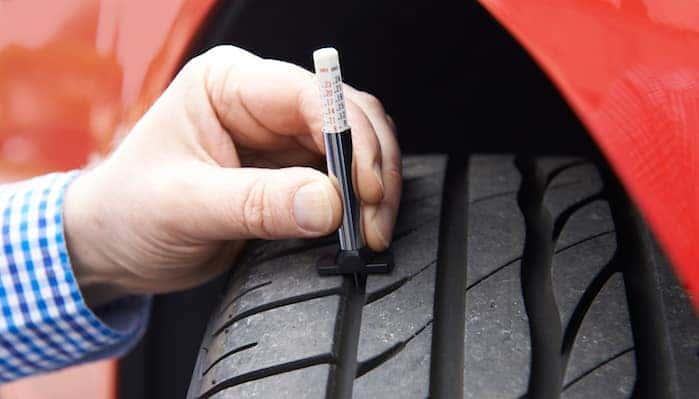
A tread depth gauge is a small tool made for this job. It looks like a ruler with a sliding scale. Insert the probe into the tire grooves. The scale shows the depth in millimeters or 32nds of an inch. This tool gives precise and clear readings. It is cheap, easy to carry, and reusable.
Using A Penny
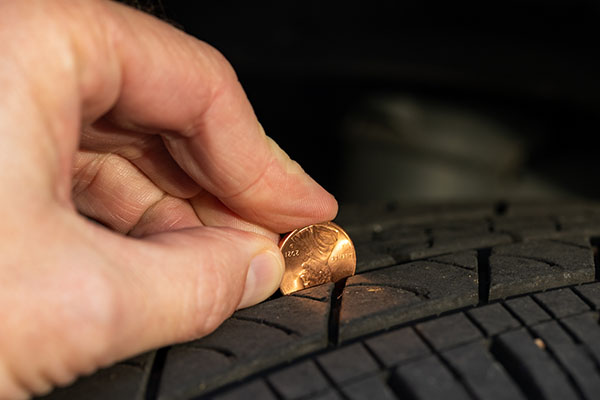
A penny works as a quick and free tool. Place it into the tire groove with Lincoln’s head down. If you see the top of Lincoln’s head, the tread is too low. This means the tire needs replacement soon. This method is not very exact but good for a fast check.
Using A Quarter
A quarter is another coin method. Put it in the groove with Washington’s head down. If the tread touches Washington’s head, the tire has more tread than the penny test. It is a better way to check for safer tread depth. Still, it is less exact than a gauge.
Built-in Tread Wear Indicators
Many tires have built-in indicators. These are small bars inside the tread grooves. When the tread wears down to the bar level, it shows the tire is worn out. This is an easy visual check without extra tools. Check your tire sidewall for these indicators.
Step-by-step Measurement Process
Measuring tire tread depth is a simple task anyone can do. It helps check if tires are safe and ready for the road. Follow these easy steps to get an accurate reading.
Gather The Right Tools
Use a tread depth gauge or a simple penny for this check. A gauge gives exact numbers. A penny is a quick way to estimate tread depth.
Clean The Tire Surface
Remove dirt and debris from the tire tread. Clean tires give better, clearer measurements. Use a brush or cloth to wipe the tread.
Place The Gauge Or Penny In The Tread
Insert the gauge probe into the deepest tread groove. For the penny, place it with Lincoln’s head down. Make sure it touches the base of the tread groove.
Read The Measurement
Check the gauge scale for the tread depth. With the penny, see if Lincoln’s head is visible. If you see his head, the tread is too low.
Repeat On Different Tire Areas
Check several spots across the tire width. Measure around the entire tire if possible. This finds uneven wear or damage.
Compare To Safety Standards
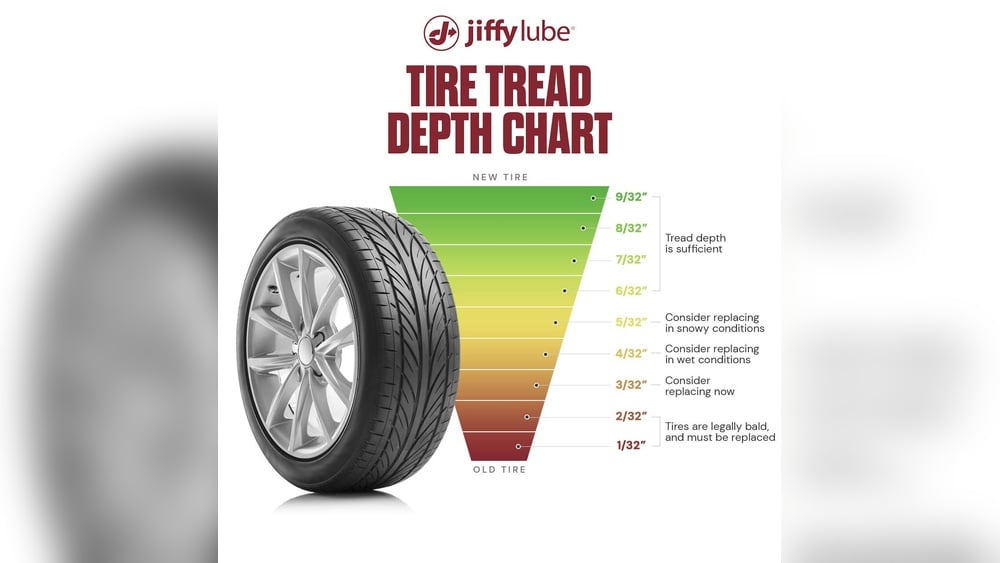
New tires usually have 10/32 inch tread depth. Replace tires when tread reaches 2/32 inch. This is the legal minimum for safe driving.
Credit: www.basilcars.com
Interpreting Tread Depth Results
Understanding tire tread depth results is key to tire safety and performance. It helps decide if tires need replacement or can stay on the road. Reading tread depth numbers gives clues about tire health and grip.
Proper interpretation prevents accidents and improves driving comfort. It also helps save money by avoiding premature tire changes. Knowing the meaning behind tread depth numbers guides smart maintenance choices.
What Tread Depth Numbers Mean
Tread depth is measured in 32nds of an inch. New tires usually have 10/32 to 12/32 inches of tread. When tread wears down to 2/32 inches, tires become unsafe.
At 4/32 inches, tires still work but need close monitoring. The deeper the tread, the better the grip on wet roads. Shallow tread means less water evacuation and higher risk of slipping.
Signs Of Uneven Tread Wear
Uneven tread wear shows possible tire or vehicle problems. Check if one side is more worn than the other. This may indicate alignment or suspension issues.
Center tread wear often means overinflation. Edge wear can mean underinflation. Uneven wear reduces safety and tire life. Fixing causes early saves money and improves safety.
When To Replace Tires
Replace tires at 2/32 inches tread depth for safety. Some experts suggest 4/32 inches for wet or snowy roads. Tires with cracks, cuts, or bulges need replacement too.
Old tires, even with good tread, can be unsafe. Check tire age and condition regularly. Proper tread depth keeps you safe and improves driving experience.
Maintaining Tire Safety
Maintaining tire safety is key for every driver. Good tires help keep control of the car and stop safely. Worn tires cause slipping and longer stopping times.
One important step in tire safety is checking the tread depth. The tread is the part of the tire that touches the road. It helps grip the road and move water away. Shallow tread means less grip and higher risk of accidents.
Why Check Tire Tread Depth Regularly?
Regular tread checks catch problems early. Tires with low tread wear out faster and are more likely to fail. Checking often helps you replace tires before they become dangerous. Safe tires reduce the chance of crashes and improve ride comfort.
Tools To Measure Tire Tread Depth
Use a tread depth gauge for the best results. This small tool fits into the tire grooves. It shows how much tread is left in millimeters or 32nds of an inch. Some use a coin test, like a penny or quarter, to estimate tread depth. Both methods are easy and quick.
Signs Your Tire Tread Is Too Low
Tires with worn tread may feel slippery on wet roads. You might see cracks or uneven wear on the tire surface. Water may not drain well, causing hydroplaning. If tread depth falls below 2/32 inch, replace the tire immediately.

Credit: wiygul.com
Frequently Asked Questions
How Do You Check Tire Tread Depth At Home?
Use a tread depth gauge or a coin like a penny. Insert it into the tire grooves and see how much shows. Less depth means worn tires and less grip.
What Is The Safe Tire Tread Depth For Driving?
A tread depth of 2/32 inch or less is unsafe. New tires usually have about 10/32 inch. Check often to stay safe and avoid fines.
Why Is Measuring Tire Tread Depth Important?
Tread depth affects road grip and braking distance. Worn tires increase accident risk, especially on wet roads. Measuring helps know when to replace tires.
Conclusion
Measuring tire tread depth keeps you safe on the road. It shows when tires need replacing. Use a tread depth gauge or a coin for quick checks. Regular checks help prevent accidents and improve tire life. Don’t wait for wear to become a problem.
Keep your tires in good shape. Drive with confidence and peace of mind. Simple steps can make a big difference. Stay safe by watching your tire tread depth often.

My name is Max langon and I am the founder of automothrone.com website. From this website, you will get automotive related information