
Have you ever wondered if your tires are properly inflated while you’re filling up at a gas station? Knowing how to check your tire pressure right there can save you money, improve your car’s performance, and keep you safe on the road.
It’s easier than you might think, and once you learn the simple steps, you’ll never have to guess again. Keep reading, and you’ll discover exactly how to check your tire pressure quickly and confidently every time you stop for gas.

Credit: www.rhinousainc.com
Tools Needed For Checking Tire Pressure
Checking tire pressure at a gas station requires some basic tools. These tools help you measure and adjust the air pressure in your tires. Knowing the right pressure keeps your car safe and saves fuel. It also helps your tires last longer.
Pressure Gauge
A pressure gauge shows the air pressure inside your tire. It is small and easy to use. Some gauges are digital with a screen. Others use a needle to show pressure. Carry one in your car for quick checks.
Air Compressor
An air compressor adds air to your tires. Many gas stations have a built-in air compressor. You can also find portable compressors to take with you. It connects to the tire valve and pumps air quickly.
Tire Valve Cap
The valve cap protects the tire valve from dust and dirt. Always remove it before checking pressure. Put it back on after filling the tire. It helps keep the valve clean and working well.

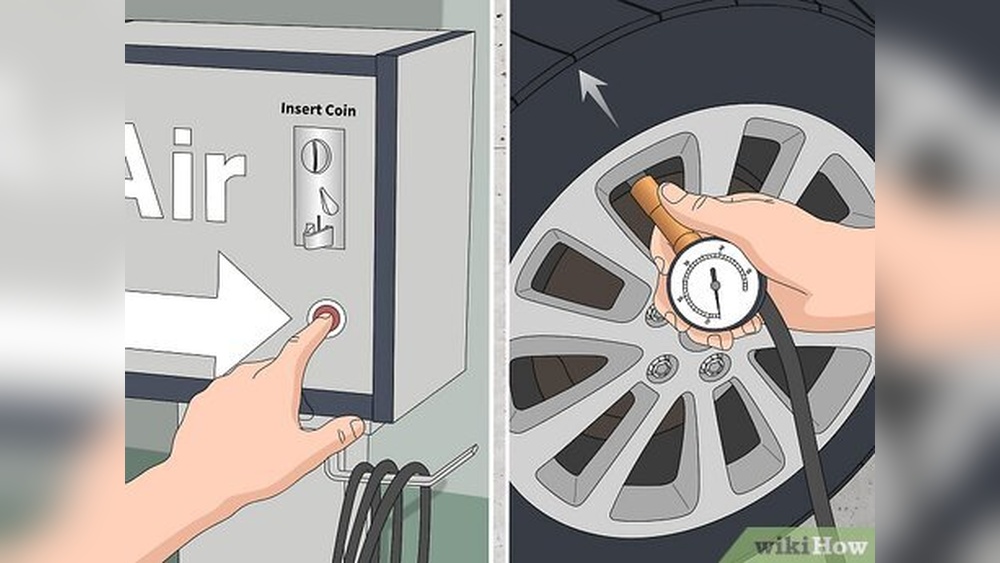
Credit: www.wikihow.com
Locate The Tire Pressure Gauge
Tire pressure gauges are often found near air pumps at gas stations. Check for a small device attached to the pump or nearby wall. This tool helps measure your tire’s air pressure quickly and easily.
Finding the tire pressure gauge is the first step to check your tire pressure at a gas station. This tool measures the air pressure inside your tires. It helps keep your car safe and saves fuel.
Most gas stations have a built-in air pump with a pressure gauge attached. Sometimes, the gauge is on the machine where you put coins or pay. Look closely at the air pump area to spot the gauge.
The gauge is usually a small, round dial with numbers or a digital screen. It shows pressure in PSI (pounds per square inch). PSI is the unit used to tell how much air is in the tire.
Check The Air Pump Area
Walk to the air pump at the gas station. The tire pressure gauge is often part of this machine. It can be on top or on the side of the pump.
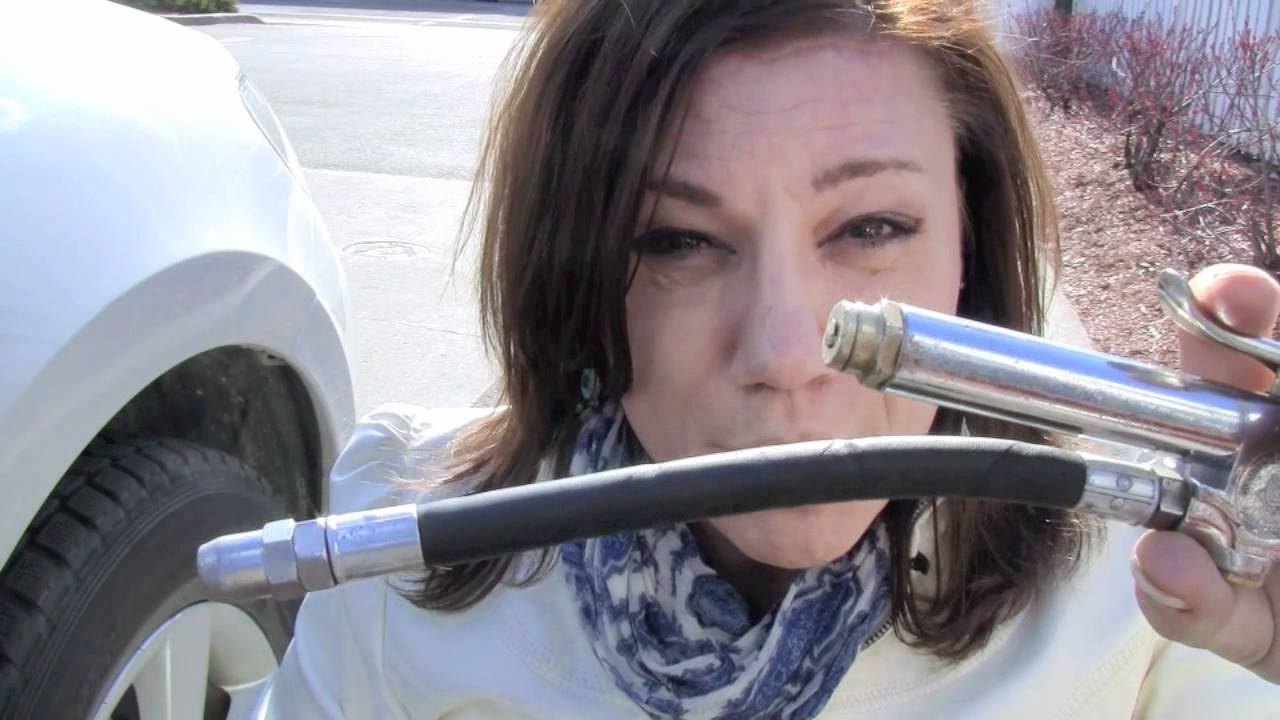
Look for a short hose with a nozzle. The gauge is near this hose. Sometimes it looks like a small clock face with a needle.
Ask For A Handheld Gauge
Some gas stations do not have built-in gauges. You can ask the station attendant for a handheld tire pressure gauge. These are small devices you hold in your hand.
They are easy to use and show the pressure clearly. Keep one in your car for easy checks anytime.
Remove Valve Caps And Measure Pressure
Start by twisting off the valve caps on your tires. Press the air gauge firmly onto the valve to get a clear pressure reading. Check each tire one by one for accurate results.
Remove The Valve Caps
Start by locating the valve stem on your tire. It looks like a small rubber or metal tube sticking out. Twist the valve cap counterclockwise to remove it. Keep the cap in a safe place to avoid losing it. This step exposes the valve so you can measure the pressure accurately.
Place The Pressure Gauge On The Valve
Use a tire pressure gauge for the next step. Press the gauge firmly onto the valve stem. Hold it steady to get a correct reading. Listen for a brief hiss sound. It means air is escaping, and the gauge is working.
Read The Pressure Measurement
Check the number on the gauge display. This number shows your tire pressure in PSI (pounds per square inch). Compare it to the recommended pressure in your car manual or on the door sticker. Note if the pressure is too low or too high.
Compare Pressure With Recommended Levels
Start by checking the tire pressure using the gas station’s gauge. Compare the number to the recommended pressure found in your car’s manual or door sticker. Keeping the pressure right helps your tires last longer and keeps driving safe.
Locate The Recommended Tire Pressure
Find the correct tire pressure for your vehicle first. Check the sticker inside the driver’s door frame. It shows the ideal pressure in PSI (pounds per square inch). The car manual also lists this information. Use these numbers as your guide.
Read The Pressure On The Gauge
Use the air pressure gauge at the gas station. Remove the valve cap on the tire. Press the gauge firmly onto the valve stem. The gauge will show the current pressure. Note this number carefully.
Compare The Numbers Side By Side
Look at the pressure on the gauge and the recommended PSI. If the number on the gauge is lower, the tire needs more air. If it is higher, some air must be released. Aim to match the recommended pressure exactly.
Adjust Tire Pressure As Needed
Use the air hose at the station to add air. Fill the tire slowly and check pressure often. To release air, press the small pin inside the valve stem. Keep checking until the pressure matches the recommended level.
Adjust Tire Pressure Using Air Pump
Adjusting tire pressure with an air pump at a gas station keeps your ride safe and smooth. Proper pressure improves fuel efficiency and tire life. Follow simple steps to get it right.
Locate The Air Pump
Find the air pump near the gas station. It usually stands alone with a hose and pressure gauge. Some pumps require coins or a card to start.
Remove The Valve Cap
Unscrew the small cap on your tire’s valve stem. Keep it safe while you work. This exposes the valve for air filling.
Check Current Tire Pressure
Press the air pump’s pressure gauge onto the valve stem. Read the number on the gauge. This shows your tire’s current pressure.
Add Air To The Tire
Attach the pump nozzle tightly to the valve stem. Press the button or lever to add air. Watch the gauge as pressure rises.
Stop At The Right Pressure
Fill the tire to the recommended pressure level. Avoid overfilling or underfilling. Use your car’s manual or sticker for correct numbers.
Replace The Valve Cap
Screw the valve cap back onto the valve stem. This keeps dirt out and protects the valve. Make sure it is snug but not too tight.
Repeat For All Tires
Check and adjust pressure on all four tires. Balanced pressure helps your car drive evenly. Don’t forget the spare tire if you have one.
Credit: www.youtube.com
Frequently Asked Questions
How Do I Use A Gas Station Air Pump For Tire Pressure?
Start by removing the valve cap from your tire. Press the air pump nozzle onto the valve stem firmly. Use the gauge on the pump to check the pressure.
What Is The Correct Tire Pressure For My Vehicle?
Check your vehicle’s door frame or owner’s manual for the recommended pressure. It is usually measured in PSI (pounds per square inch). Keeping the right pressure helps with safety and fuel efficiency.
Can I Check Tire Pressure For Free At Gas Stations?
Many gas stations offer free air pumps to check and fill your tires. Look for stations with a pressure gauge on the air machine. Always confirm if the service is free before using it.
Conclusion
Checking tire pressure at a gas station is quick and easy. First, find the correct pressure for your tires. Use the gauge to measure the air inside. Add air if the pressure is low. Don’t forget to recheck after filling.
Proper tire pressure helps your car run safely and saves fuel. Regular checks prevent tire damage and keep you safe on the road. Make it a habit to check tire pressure often. Simple steps lead to better driving and longer tire life.

My name is Max langon and I am the founder of automothrone.com website. From this website, you will get automotive related information