
Are you hearing strange noises from your engine or noticing your car isn’t running as smoothly as before? It might be time to replace your spark plugs.
But how much will it cost you? Understanding the cost to replace spark plugs can help you avoid surprise expenses and keep your car in top shape. You’ll discover what affects the price, how often you should replace them, and tips to get the best value for your money.
Keep reading to make sure your engine stays strong without breaking the bank.
Factors Affecting Spark Plug Replacement Cost
Several factors influence the cost to replace spark plugs. Knowing these can help you plan your car maintenance budget. Costs vary depending on the parts and service required. Understanding each factor gives a clearer picture of the total expense.
Type Of Spark Plugs
Spark plugs come in different types, such as copper, platinum, and iridium. Copper plugs are cheaper but wear out faster. Platinum and iridium plugs cost more but last longer. The type you choose impacts the price directly.
Vehicle Make And Model
Different cars need specific spark plugs. Some models require more expensive or special plugs. Luxury or high-performance vehicles tend to have higher part costs. The complexity of the engine also affects the price.
Labor Charges
Labor costs depend on the mechanic’s rates and the job’s difficulty. Some engines are harder to access, increasing labor time. Dealerships usually charge more than independent shops. Labor can be a big part of the total cost.

Credit: www.autostop.com.au
When To Replace Spark Plugs
Knowing when to replace spark plugs helps keep your car running well. Old spark plugs can cause poor engine performance and lower fuel efficiency. Regular checks avoid bigger car problems and save money in the long run.
Timing is key. Replacing spark plugs at the right time ensures smooth starts and steady engine power. Listen to your car and follow guidelines to know the best time for replacement.
Signs Of Worn Spark Plugs
Engine misfires or rough idling are common signs. Your car may struggle to start or feel less powerful. Poor fuel economy and increased emissions also indicate worn spark plugs. Strange noises from the engine can mean the plugs need attention. These warning signs show it is time to replace spark plugs.
Manufacturer Recommendations
Check your owner’s manual for spark plug replacement intervals. Most manufacturers suggest changing plugs every 30,000 to 100,000 miles. The exact timing depends on your vehicle and spark plug type. Following the manufacturer’s advice helps maintain engine health and performance.
Diy Spark Plug Replacement
Replacing spark plugs yourself can save money and give a sense of achievement. It is a simple task many car owners can do with basic tools. Following clear steps helps avoid mistakes and keeps the engine running smoothly. This guide breaks down the process into easy parts.
Tools Needed
- Spark plug socket
- Ratchet wrench
- Extension bar
- Torque wrench
- Gap gauge
- Dielectric grease
- Compressed air or brush
Step-by-step Guide
- Park on a flat surface and turn off the engine.
- Open the hood and locate the spark plugs.
- Use compressed air or a brush to clean around plugs.
- Remove the spark plug wire or ignition coil carefully.
- Attach the spark plug socket to the ratchet and extension.
- Turn counterclockwise to loosen and remove the old plug.
- Check the gap on the new spark plug with a gap gauge.
- Apply a small amount of dielectric grease to the plug’s boot.
- Insert the new plug and tighten by hand first.
- Use a torque wrench to tighten to the manufacturer’s specs.
- Reconnect the spark plug wire or ignition coil firmly.
- Repeat for each spark plug in the engine.
- Close the hood and start the engine to test.
Choosing The Right Spark Plugs
Choosing the right spark plugs helps your engine run smooth and saves money. The right plugs fit your car’s needs and style of driving. Picking the best spark plug affects fuel use, power, and engine life. Learning about materials and performance guides you to make a smart choice.
Material Options
Spark plugs come in several materials. Copper plugs are cheap and work well for old cars. They wear out faster but cost less to replace. Platinum plugs last longer and offer better performance. They cost more but save you visits to the mechanic. Iridium plugs are the most durable and provide the best spark. They are pricier but often improve fuel efficiency and engine power. Choose material based on your budget and car needs.
Performance Considerations
Think about how you drive. High-performance cars may need iridium or platinum plugs for better power. Daily drivers can use copper or platinum plugs to save money. Cold weather requires plugs that ignite fuel quickly. Hot engines need plugs that resist overheating. Proper spark plugs improve acceleration and reduce emissions. Match plugs to your car’s engine type and driving style for best results.
Tips To Save On Replacement Costs
Replacing spark plugs can be costly, but some simple steps help cut expenses. These tips save money and keep your car running well. Small actions make a big difference in replacement costs.
Buying In Bulk
Buying spark plugs in bulk lowers the price per piece. Many stores offer discounts for multiple plugs. This works well for vehicles needing several plugs. Keep extra plugs for future replacements. Bulk buying reduces trips to the store too.
Regular Maintenance
Regular car checkups catch spark plug issues early. Fixing problems early avoids bigger repairs later. Clean and inspect plugs often to extend their life. Good care means plugs last longer and cost less to replace.
Finding Reliable Mechanics
Choose mechanics with fair prices and good reviews. Reliable shops provide quality work without extra charges. Ask friends or read online reviews for trusted options. A good mechanic saves money by doing the job right the first time.

Credit: www.reddit.com
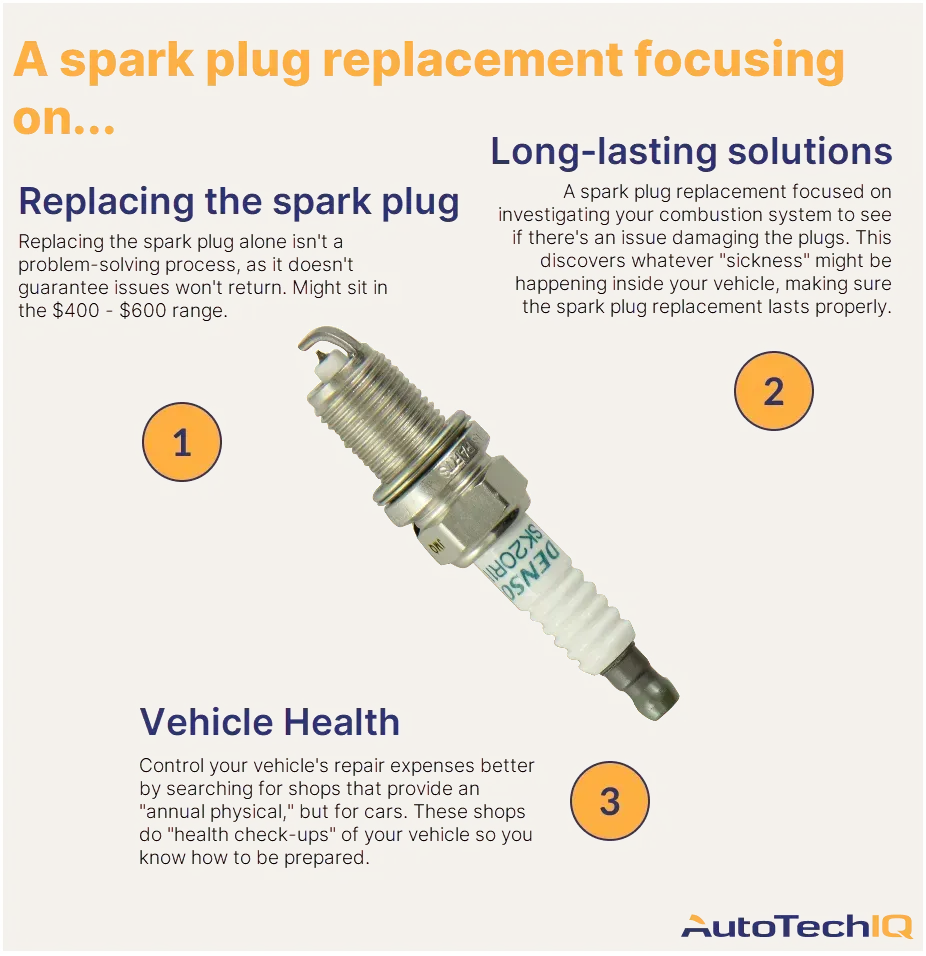
Credit: www.autotechiq.com
Frequently Asked Questions
How Much Does It Cost To Replace Spark Plugs?
The cost to replace spark plugs ranges from $50 to $150. It depends on your car model and labor charges. Parts and labor both affect the final price.
How Often Should Spark Plugs Be Replaced?
Spark plugs usually need replacement every 30,000 to 100,000 miles. This depends on the type of spark plug and car. Regular checks help avoid engine problems.
Can I Replace Spark Plugs Myself?
Yes, you can replace spark plugs if you have basic tools and knowledge. It saves labor costs but needs care to avoid damage. Follow your car manual for correct steps.
Conclusion
Replacing spark plugs costs vary by car and parts used. Usually, the job is affordable and quick. New spark plugs help your engine run smooth and save fuel. Regular replacement stops bigger problems and costly repairs later. Check your car’s manual for the right type and schedule.
Keep your vehicle healthy with timely spark plug changes. Simple care pays off in better performance and fewer breakdowns. Don’t wait until your car struggles—act early and keep it running well.

My name is Max langon and I am the founder of automothrone.com website. From this website, you will get automotive related information