

Have you ever wondered if your tires are still safe to drive on? Checking your tire tread depth is one of the simplest ways to protect yourself, your passengers, and your vehicle on the road.
But how do you know when your tires need replacing? You’ll discover easy and effective methods to measure your tire tread depth yourself. By the time you finish reading, you’ll have the confidence to keep your tires in top shape and avoid unexpected dangers.
Let’s get started!
Importance Of Tire Tread Depth
Tire tread depth affects how well your tires grip the road, especially in wet conditions. Checking tread depth helps keep you safe and avoid accidents. Use a tread depth gauge or the penny test for a quick check.
Tire tread depth plays a vital role in vehicle safety and performance. It affects how well your tires grip the road. Good tread depth helps your car stop quickly and stay stable.
Shallow tread depth reduces traction. This can cause slipping on wet or icy roads. It also increases the risk of hydroplaning, where tires lose contact with the road surface.
Worn tires increase the chance of accidents. They also wear out unevenly and faster. Checking tread depth regularly helps you know when to replace tires.
Proper tread depth improves fuel efficiency. It helps your car handle better and feel smoother on the road. Safe tires protect you, your passengers, and others around.

Credit: wiygul.com
Tools Needed For Measuring
Checking tire tread depth is important for safe driving. Using the right tools helps you measure tread depth accurately. These tools are simple and easy to use. They give a clear idea of tire condition. Knowing what tools to use makes this task quick and effective.
Using A Tire Tread Depth Gauge
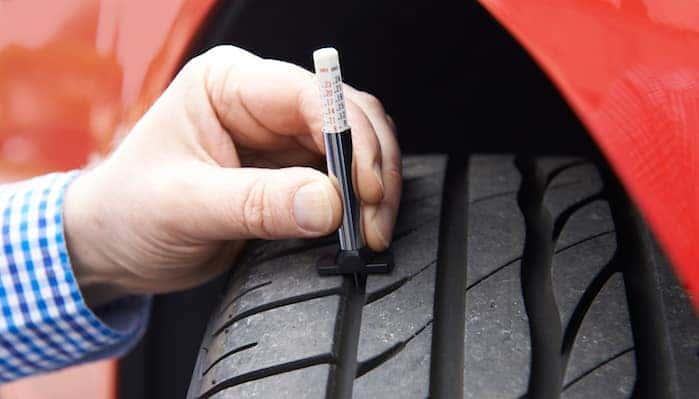
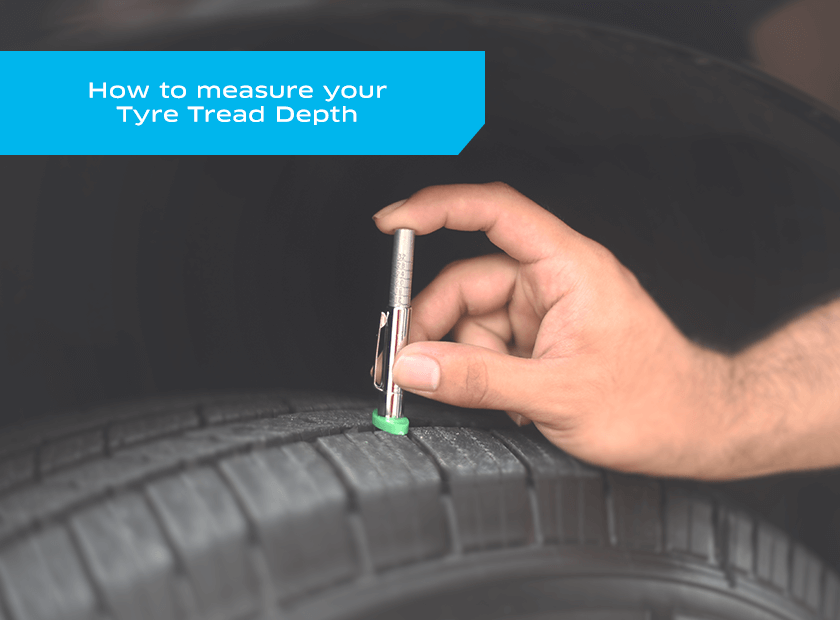
A tire tread depth gauge is a small tool made for this job. It has a probe that slides into the tread grooves. The gauge shows the tread depth in millimeters or inches. This tool gives precise and easy-to-read results. It is affordable and found in most auto stores.
Using A Coin As A Measuring Tool
Coins like a penny or a quarter can check tread depth. Insert the coin into the tire tread with the head down. If you see the top of the head, the tread is too shallow. This method is quick but less exact than a gauge. Still, it works well for a simple check.
Using A Ruler Or Tape Measure
A ruler or tape measure can also check tread depth. Place the ruler in the tire groove and measure from the base to the tread top. This method needs careful reading to avoid mistakes. It is useful if you don’t have a special gauge or coins nearby.
Step-by-step Measurement Process
Checking tire tread depth is important for safety and performance. Tires with low tread can slip, especially on wet roads. Measuring tread depth is simple and quick. Follow these steps to do it right.
Gather Necessary Tools
You need a tread depth gauge or a coin. A penny or a quarter works fine if you do not have a gauge. Make sure the tool is clean and easy to handle.
Find The Tire’s Tread Grooves
Look closely at the tire’s surface. Tread grooves are the deep channels on the tire. Choose a few spots around the tire to measure for accuracy.
Insert The Gauge Or Coin Into The Groove
Put the tread depth gauge into the groove. If using a coin, insert it with the head or the number side down. Make sure it reaches the bottom of the groove.
Read The Measurement
Check the reading on the gauge or note how much of the coin is visible. The less visible, the deeper the tread. A tread depth of 2/32 inch or less means it’s time to replace the tire.
Repeat For All Tires
Measure the tread depth on all four tires. Check multiple spots on each tire. This ensures even wear and helps spot potential problems.
Interpreting Tread Depth Results
Interpreting tread depth results is key to tire safety. Tread depth shows how much life your tire has left. It also affects grip on wet or slippery roads. Knowing the meaning of different tread depths helps you decide when to replace tires.
What Is A Safe Tread Depth?
A tread depth of 6/32 inch or more is safe. This depth offers good traction and control. Tires with this depth perform well in rain and snow. It helps prevent hydroplaning and skidding.
When Should You Replace Tires?
Replace tires when tread depth reaches 2/32 inch. This depth is the legal minimum in many places. Tires below this depth have poor grip and longer stopping distances. Driving with worn tires increases accident risk.
Understanding The 4/32 Inch Rule
Some experts suggest replacing tires at 4/32 inch. This depth signals reduced performance in wet conditions. Tires still drive, but with less safety margin. Checking tread depth often keeps you ahead of problems.
Using Tread Depth To Check Tire Health
Look for uneven wear across the tire. Uneven tread depth can mean alignment or inflation issues. Address these problems early to extend tire life. Good tread depth and even wear keep you safe on the road.
Tips For Maintaining Tire Safety
Maintaining tire safety protects you and everyone on the road. Proper care helps avoid accidents and costly repairs. Simple steps can keep your tires in good shape longer. Regular checks and small actions make a big difference.
Check Tire Pressure Regularly
Correct tire pressure improves fuel efficiency and tire life. Use a reliable gauge to check pressure monthly. Adjust pressure to match the vehicle manufacturer’s recommendations. Underinflated tires wear out faster and can cause blowouts.
Inspect Tread Depth Often
Good tread depth ensures better grip and control. Use a tread depth gauge or a coin to measure tread. Replace tires when tread is below 2/32 inch to stay safe. Worn tires increase the risk of slipping, especially in wet conditions.
Rotate Tires Every 5,000 To 7,000 Miles
Rotating tires balances wear and extends tire life. Swap front and rear tires according to your vehicle’s pattern. This helps maintain even tread and prevents uneven wear. Uneven tires can cause vibration and poor handling.
Check For Visible Damage
Look for cuts, cracks, or bulges on tire surfaces. Damaged tires may fail without warning. Replace tires showing damage to avoid dangerous situations. Regular visual checks can catch problems early.
Keep Wheels Aligned And Balanced
Misaligned wheels cause uneven tire wear and handling issues. Have alignment checked during tire rotation or if the vehicle pulls to one side. Proper alignment improves safety and tire longevity. Balanced tires reduce vibration and improve ride comfort.
Credit: www.basilcars.com
Credit: www.pclairtechnology.com
Frequently Asked Questions
How Do I Measure Tire Tread Depth At Home?
Use a tread depth gauge or a penny. Insert the tool into the tread grooves. Check the measurement to see if it is safe.
What Is The Legal Tire Tread Depth Limit?
Most places require at least 2/32 inch tread depth. Below this, tires are unsafe and must be replaced. Check local laws for exact rules.
How Often Should I Check My Tire Tread Depth?
Check your tire tread every month or before long trips. Regular checks help keep you safe on the road. Worn tires can cause accidents.
Conclusion
Checking your tire tread depth is simple and important for safety. Use a tread depth gauge or a coin to measure. Replace tires if the tread is too low. Good tread helps with grip and prevents accidents. Regular checks keep your car running smoothly.
Don’t wait until it’s too late. Stay safe on the road by watching your tire tread. It only takes a minute but makes a big difference. Keep your tires healthy, and enjoy safer drives every time.

My name is Max langon and I am the founder of automothrone.com website. From this website, you will get automotive related information