

Are you sure your tires are safe for the road? Knowing how to measure tread depth on a tire can protect you from unexpected slips and costly repairs.
Your tires are the only part of your vehicle touching the ground, so their condition matters more than you might think. You’ll learn simple and effective ways to check your tire tread depth yourself. By the end, you’ll have the confidence to keep your tires in top shape and drive with peace of mind.
Keep reading—you don’t want to miss these easy tips that could save your life.
Importance Of Tread Depth
Tread depth shows how much life your tire has left. Measuring it helps keep your car safe and steady on the road. Use a tread depth gauge or a simple coin to check it easily.
Why Tread Depth Matters For Safety
Tread depth helps your tires grip the road. Good grip prevents slipping and sliding. It keeps your car stable during turns and stops. Worn tires with shallow tread increase accident risk. Wet or icy roads become very dangerous. Proper tread depth reduces the chance of hydroplaning. It helps water escape from under the tire. This keeps contact with the road surface. Safety depends on maintaining enough tread depth.
Impact On Tire Performance And Fuel Efficiency
Tread depth affects how well tires perform. Deep tread improves traction on rough or loose surfaces. It also helps handle different weather conditions better. Tires with low tread wear out faster. They need to be replaced more often. Tires with healthy tread use fuel more efficiently. Shallow tread can increase rolling resistance. This makes your car use more gas. Maintaining proper tread depth saves money on fuel and tires.
Legal Requirements And Tire Inspection
Most places have laws about minimum tread depth. These rules help keep roads safe for everyone. Driving with tires below the legal limit can lead to fines. Regularly checking tread depth helps avoid these penalties. Tire inspections often focus on tread depth as a key factor. It shows if tires are still safe to use. Knowing legal limits encourages timely tire replacement. This keeps your vehicle roadworthy and legal.
Credit: www.basilcars.com
Tools For Measuring Tread
Measuring tire tread depth is key to safe driving. It helps you know when to replace tires. Various tools make this task simple and accurate. Each tool offers a unique way to check tread depth.
Using A Tread Depth Gauge
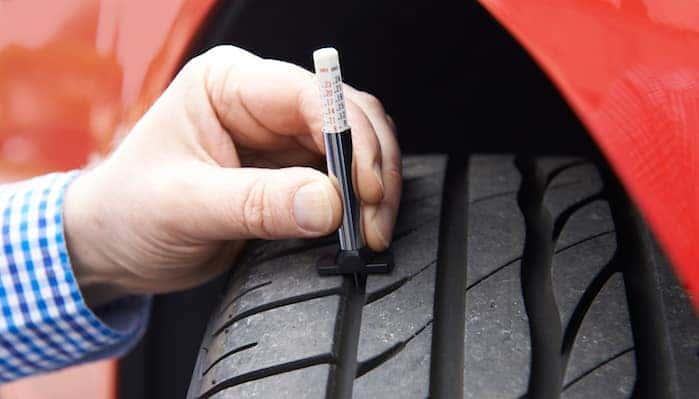
A tread depth gauge is a small, precise tool. You place its probe into the tire grooves. It shows the exact depth on a scale. This tool is cheap and easy to use. It gives accurate results every time.
Using A Coin
A coin can quickly check tread depth. Different countries use different coins for this test. Insert the coin into the tread grooves. The depth you see helps judge tire wear. This method is simple but less exact than a gauge.
Using Tread Wear Indicators
Most tires have built-in tread wear indicators. These are small bars in the tread grooves. When the tread wears down to the bars, it’s time to replace tires. No extra tools needed for this method. It is quick and easy to check.
Step-by-step Measurement Process
Measuring tread depth on a tire is essential for safety and performance. It helps know when to replace tires to maintain good grip and avoid accidents. This process is simple and quick with the right tools.
Follow these clear steps to check tire tread depth accurately. Use a tread depth gauge or a coin for basic measurement.
Prepare Your Tools
Find a tread depth gauge or a clean coin like a penny or quarter. Ensure the tire is clean and dry for accurate reading.
Choose The Measurement Spot
Pick several spots across the tire’s width. Measure near the center and edges to check even wear.
Insert The Gauge Or Coin
Place the gauge probe into the tread groove. If using a coin, insert it head first into the groove.
Read The Measurement
Check the depth on the gauge scale. For coins, note how much of the coin’s head is visible.
Compare To Safety Limits
New tires usually have 10/32 inch tread depth. Replace tires if depth is below 2/32 inch for safety.

Credit: www.youtube.com
Interpreting Tread Depth Results
Understanding tread depth results helps keep your tires safe and your rides smooth. Tread depth shows how much life your tire has left. It also affects grip on wet or slippery roads. Knowing what the numbers mean can help you decide when to replace tires.
Measuring tread depth gives a number in millimeters or 32nds of an inch. This number tells you how deep the grooves are on your tire. Deeper grooves mean better traction and safer driving. Shallow grooves mean less grip and higher risk of accidents.
What Is A Safe Tread Depth?
A tread depth of 6/32 inch or more is good. Tires with this depth grip the road well. They stop quickly and handle water safely. Anything above this means your tires are in good shape.
When Should You Replace Your Tires?
Replace tires at 2/32 inch tread depth. Below this, tires are unsafe. They lose grip and can cause skidding. Many states require tire replacement at this level for safety.
Understanding Worn Tire Signs
Uneven tread wear means a problem. It could be tire alignment or air pressure. Check your tires if one side is more worn than the other. This can cause poor handling and faster wear.
Tips For Maintaining Tire Safety
Maintaining tire safety is vital for a smooth and secure ride. Proper tire care prevents accidents and extends tire life. Simple habits keep your tires in top shape. Focus on regular checks and good driving practices.
Check Tread Depth Regularly
Use a tread depth gauge or a coin to check your tire tread. Tires with shallow tread lose grip on wet roads. Replace tires when the tread is below 2/32 inch for safety.
Keep Tires Properly Inflated
Check tire pressure at least once a month. Correct pressure improves fuel efficiency and tire wear. Use the pressure recommended in your vehicle’s manual or on the door sticker.
Rotate Tires Often
Rotate tires every 5,000 to 8,000 miles to ensure even wear. Front and rear tires wear differently. Rotating helps all tires last longer and perform better.
Avoid Overloading Your Vehicle
Do not exceed your vehicle’s load capacity. Overloading stresses tires and can cause blowouts. Check your owner’s manual for weight limits and follow them strictly.
Drive Carefully On Rough Roads
Slow down on potholes and rough surfaces. Hard impacts can damage tires and wheels. Careful driving prevents unexpected tire problems and keeps you safe.

Credit: wiygul.com
Frequently Asked Questions
How Can I Check Tire Tread Depth At Home?
Use a tread depth gauge or a penny to measure. Insert the tool into the tread grooves and read the depth.
What Is The Minimum Safe Tread Depth For Tires?
Tread depth should be at least 2/32 inch to stay safe. Below this, tires may lose grip and cause accidents.
Why Is Measuring Tire Tread Depth Important?
Tread depth affects tire grip and road safety. It helps avoid accidents and improves vehicle handling in wet conditions.
Conclusion
Measuring tire tread depth keeps your vehicle safe on the road. Use a tread depth gauge or a simple coin for quick checks. Check multiple spots on your tires to get accurate results. Replace tires when tread is too low to avoid accidents.
Regular checks help your tires last longer and perform better. Stay safe by knowing how to measure tread depth properly. It’s a small step with big benefits for your driving.

My name is Max langon and I am the founder of automothrone.com website. From this website, you will get automotive related information